

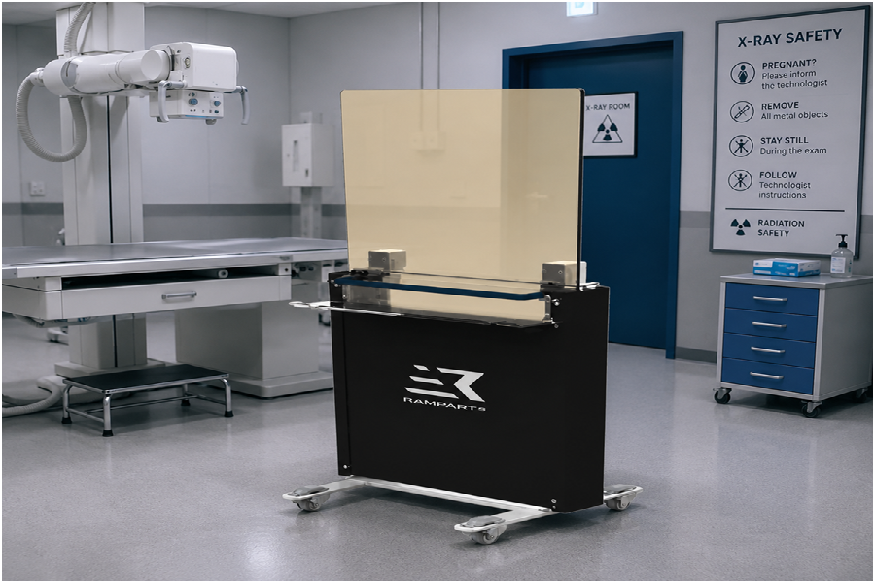
Radiation safety is one of those serious responsibilities. In modern healthcare, hospitals, diagnostic centres, cath labs, and interventional suites all rely on imaging technology to support accurate diagnosis and treatment, but they also have to protect clinical teams from unnecessary exposure. This is where dependable protection systems, careful equipment planning and a supplier that actually knows what it means to work day to day in these spaces really becomes important, you know.
A solid radiation safety setup is not built on a single product alone. It is more like a balance of suitable shielding, correct placement, workable workflow design, and ongoing staff awareness that doesn’t fade after training. When healthcare providers partner with suppliers who understand clinical environments, they can pick shielding and related protection measures that safeguard professionals without turning treatment into a slow process. In the end, this supports safer procedures, smoother operations, and more confident patient care overall.
X-ray Protection Support for Safer Clinical Work
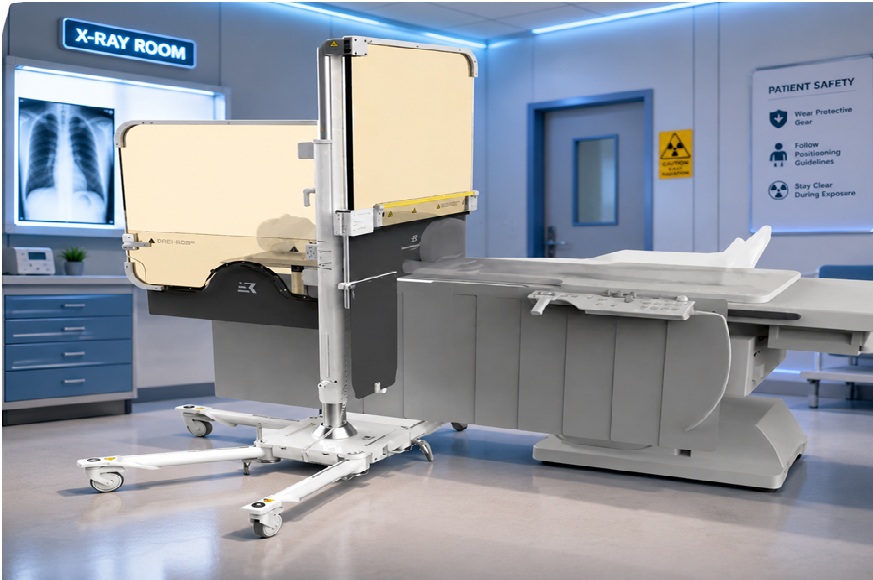
An experienced X-ray protection equipment supplier helps healthcare facilities choose shielding systems that truly match the needs of imaging and interventional procedures, not just what looks good on paper. Their role is crucial because radiation protection has to balance safety and everyday movement. And if the shielding feels awkward to set in place, blocks where people need to pass, or even make the workflow slow down, the staff might end up using it less reliably when things get busy in real cases.
Radiation exposure often increases step by step over time, especially for professionals who are regularly nearby during fluoroscopy or X-ray-guided work. Careful shielding planning lowers that long-term occupational risk. By providing suitable barriers, movable shields, table-mounted solutions, and clear product direction, suppliers assist clinical teams in building stronger safety routines, while still keeping access and flexibility so patient care stays efficient and smooth.
Medical Equipment Planning Improves Safety Standards
Radiation protection fits inside a much broader medical supply strategy, so it’s not really a standalone thing. Facilities need supplies that are dependable, compatible, easy to service, and that work well across different clinical departments. When medical equipment and supplies are chosen while keeping safety rules clear and present, care teams can dial down unnecessary hazards, and support a more controlled setting for both staff and patients, too.
Also, careful planning tends to keep healthcare providers from making fragmented purchases, just because each item feels urgent. If someone buys single products without thinking about day-to-day workflow, room layout, user comfort, and what demand might look like later, the outcome can be messy. A more strategic mindset links equipment dependability with operational targets. In other words, hospitals and clinics can build sturdier systems rather than depend on quick fixes that may not carry over into long-term clinical results.
Better Shielding Helps Reduce Staff Exposure
Healthcare professionals working around radiation sources need protection that feels practical, not only something that is technically impressive. The shields should be positioned where exposure is most likely, yet at the same time, they have to let teams see, walk around, and react during the procedure. A good X-ray Protection Equipment Supplier can support facilities in reviewing these on-the-ground needs, and then help choose equipment that actually matches the treatment area, instead of assuming a generic setup will work.
Stronger shielding can also ease the physical strain that is often tied to older protective methods. Heavy protective clothing can become unpleasant during long sessions, especially for staff in imaging environments that are there most days. Newer protection systems can reduce the need for bulky gear while still backing up safety. That leads to better comfort, more consistent habits, and staff who are more willing to keep following protective routines properly.
Reliable Supplies Support Daily Radiation Control
Radiation safety is not only about those big shielding systems. It also reaches into smaller add-ons, sterile covers, replacement parts, maintenance scheduling, and dependable product access that actually stays there. Medical equipment and supplies need to be on hand when teams require them, because even a tiny missing component can disrupt safety routines or delay a necessary procedure, especially in a hectic clinical setting.
With reliable supply support, healthcare teams tend to feel more secure. Staff can follow the procedures the right way when suitable products are stocked, they match, and they’re prepared for immediate use. That cuts down on last-minute improvising and helps departments keep their safety approach organised and steady. In radiation-related spaces, where consistency is everything, dependable supplies support both compliance and a calmer experience for patients and professionals.
Supplier Knowledge Strengthens Clinical Decisions
Picking radiation protection equipment is not just about looking at product names; it is more like you have to think it through in a real way. Healthcare providers really need to weigh procedure type, exposure patterns, where staff are standing, how the room is laid out, what installation demands exist, and also how everything will be cleaned later. A solid supplier should be able to walk through the details in plain terms, so buyers can see which options fit best for their clinical setup and for long-term everyday use.
That kind of help matters even more when the facility is dealing with complicated interventional work. Cath labs, vascular units, neurovascular suites, and imaging departments might not use the same protection strategies at all. A supplier with strong product know how can guide the team to not land on an unhelpful selection, also to think ahead about future needs, and to make buying decisions that support safer results while still keeping day-to-day operations running smoothly.
Workflow-Friendly Protection Encourages Proper Use
Safety equipment only really works when staff can use it without, like, constant hassle. If shields are a pain to move, awkward to clean or just kind of stuck in a bad place, people may end up using them less often than the plan says. Workflow-friendly protection helps cut away these barriers because it supports natural movement, patient access, and you can actually see what’s going on during the procedure, clearly throughout day-to-day clinical work.
That balance, between protection and usability, matters a lot. Healthcare teams are far more likely to follow radiation protection protocols when the gear fits their usual routine instead of getting in the way. When shielding is well matched, it can help keep procedure momentum steady, protect staff, and lower extra strain that nobody wants. Over time, this builds a safer workplace culture, where safeguards turn into normal clinical behaviour, not just another step.
Long-Term Safety Depends on Strong Partnerships
Radiation safety needs continuous attention, not just a one-time equipment purchase. Facilities may need new products, updated shielding, additional training, replacement components, or revised protection strategies as clinical demand changes. A strong supplier relationship helps healthcare teams review these needs regularly and respond before small issues become operational problems.
Good partnerships also build trust. When suppliers communicate clearly, provide dependable support, and understand clinical priorities, procurement becomes easier and more effective. Healthcare organisations can make confident decisions because they are not choosing equipment in isolation. They are working with a partner who understands patient care, staff safety, and the importance of reliable medical operations.
Conclusion
Radiation safety gets better when healthcare facilities combine suitable shielding, dependable supplies, careful procurement, and real staff backing. The right equipment can lower exposure, but the benefit gets even stronger when it matches the day-to-day clinical routines, not just the theory. Hospitals and clinics that invest with some discipline in their protection systems can help teams work more safely, keep procedures smoother and steadier, and maintain patient care standards that stay consistent.
Nexamedic helps healthcare providers with X-ray protection gear, plus medical device distribution and supply guidance from experts, for those professional clinical settings. They really lean into quality products, dependable service, and practical support, so it becomes a fairly relevant option for hospitals and clinics. The idea is to strengthen radiation safety while still keeping the clinical workflow efficient, organised, and patient-focused, sort of in a smooth day-to-day way.
Frequently Asked Questions
Question: Why is X-ray protection important in healthcare settings?
Answer: X-ray protection is important because repeated radiation exposure can create long-term occupational risks for healthcare professionals. Proper shielding, protective systems, and safe working practices help reduce unnecessary exposure while allowing teams to complete imaging and interventional procedures with confidence.
Question: What should hospitals look for in radiation protection equipment?
Answer: Hospitals should look for equipment that offers strong shielding, easy positioning, compatibility with clinical procedures, simple cleaning, and reliable supplier support. Protection products should improve safety without making patient access, staff movement, or procedure visibility more difficult.
Question: How can a supplier help improve radiation safety?
Answer: A supplier can guide healthcare teams towards suitable shielding systems, explain product applications, support installation planning, and provide dependable access to related supplies. Their knowledge helps facilities choose protection solutions that match real workflow, staff needs, and clinical safety goals.
Question: Does better shielding improve staff comfort?
Answer: Yes, better shielding can improve comfort by reducing dependence on heavy protective clothing during long procedures. When protection systems are easier to use and better positioned, staff can work with less physical strain while still maintaining safer radiation control.
Question: Why is supplier reliability important for X-ray protection?
Answer: Supplier reliability matters because radiation safety depends on consistent access to suitable products, replacement items, and expert support. If supplies are delayed or poorly matched, safety routines may be disrupted. A dependable supplier helps facilities maintain steady protection standards.